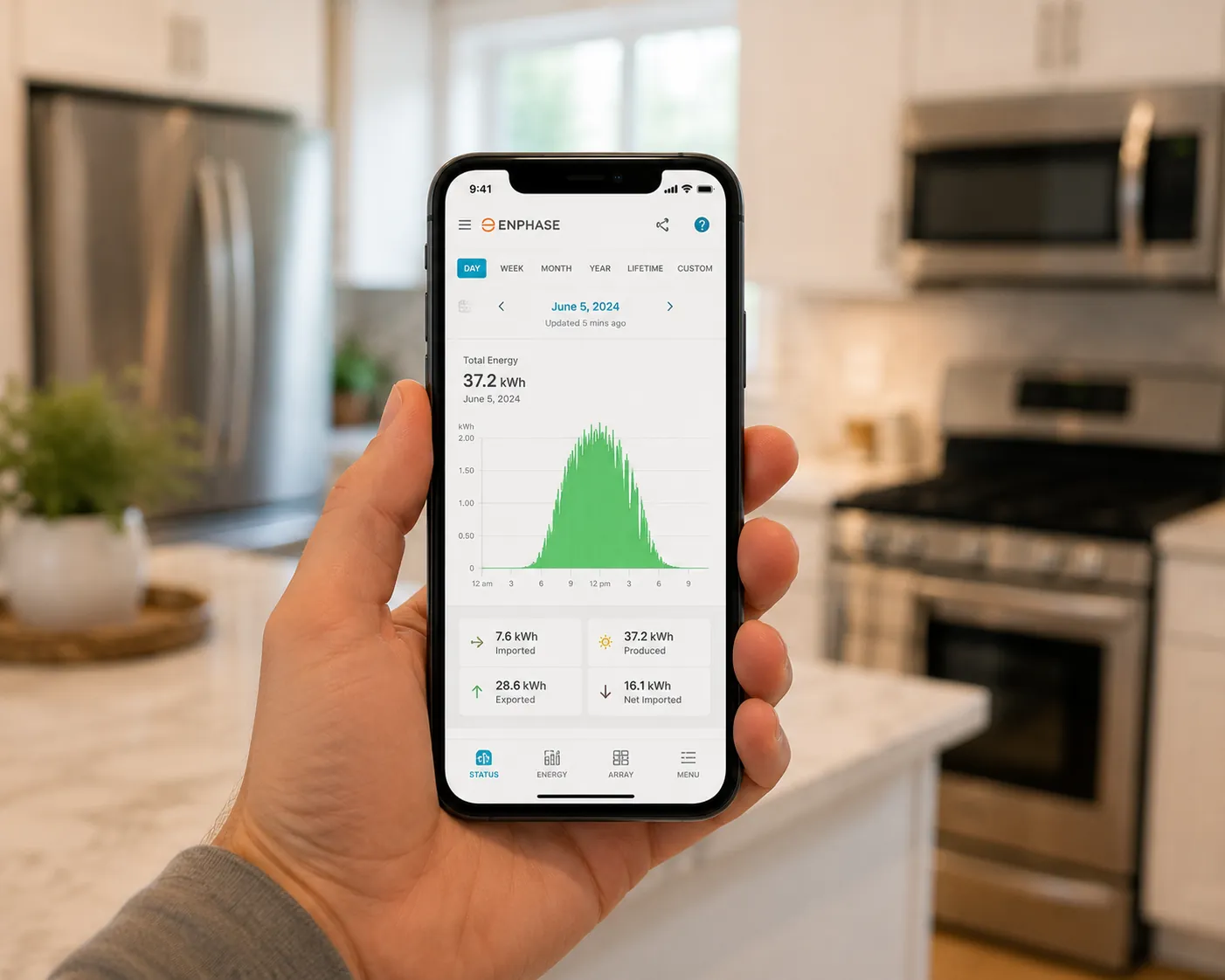
Production has dropped
Compare this June against the June three years ago. Real production drops of 15%+ usually mean a dead optimizer, a failing inverter, or panel degradation beyond spec.
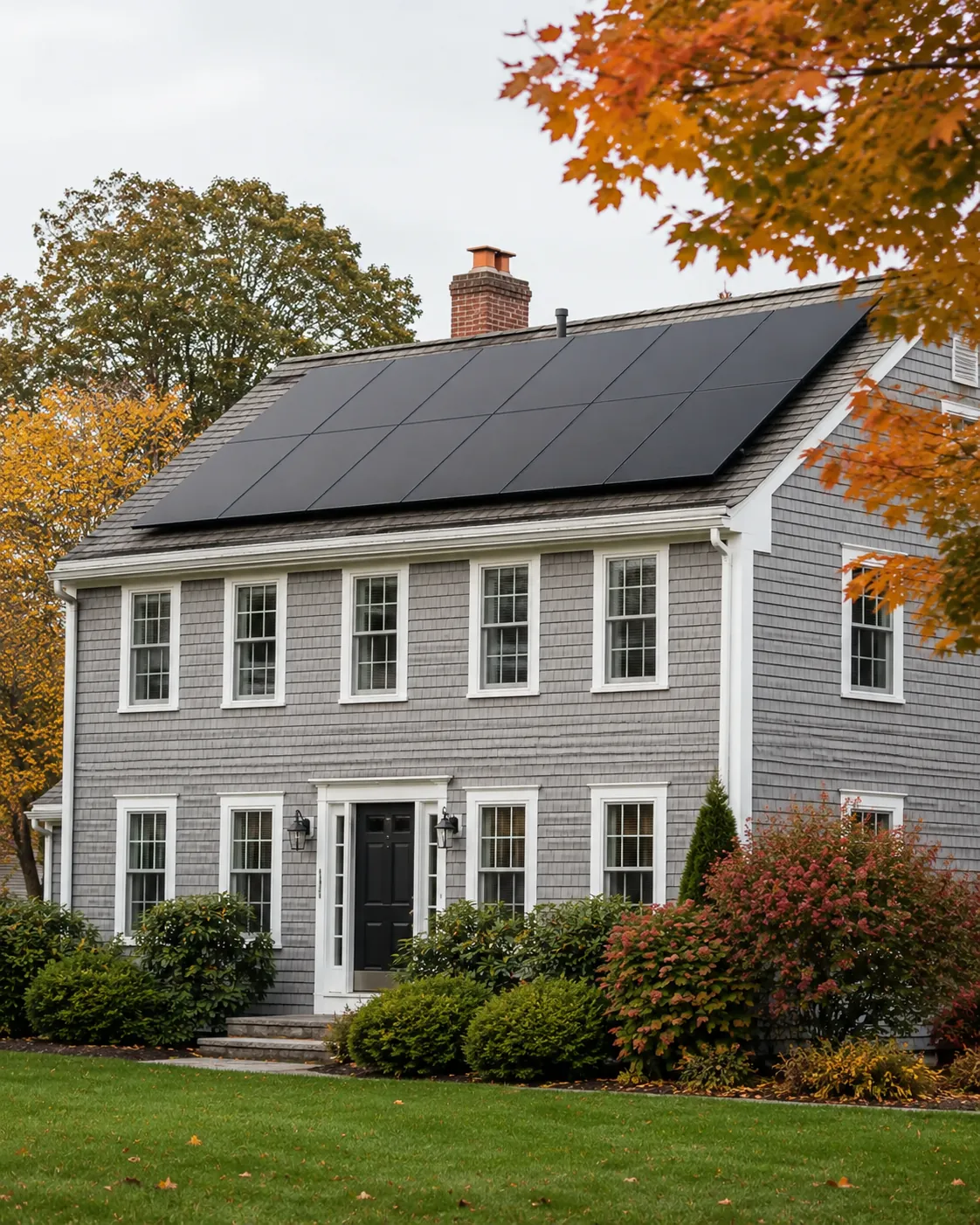
Inverter swaps, panel additions, battery adds, and full repowers — for solar systems Teamsun installed and ones we did not. Aurora diagnostic first, quote second.
By the numbers
Most older systems do not need full replacement — they need a targeted upgrade. We diagnose first, quote after.
Compare this June against the June three years ago. Real production drops of 15%+ usually mean a dead optimizer, a failing inverter, or panel degradation beyond spec.
Most string inverters from 2010 – 2015 are nearing or past their 10 – 12 year warranty. Replacement cost is going up, not down — a swap now is often cheaper than reactive replacement at failure.
If your panels or inverter are out of warranty, a single failure can wipe out years of bill savings. We can extend coverage with new equipment under fresh warranty.
Added an EV, a heat pump, or just a couple more people in the house? Older systems were sized for old loads. We add panels, swap inverters, or add a battery to match your real demand.
Pick the right one based on what your roof and your real production data tell us. Most homes get the smallest upgrade that solves the actual problem.
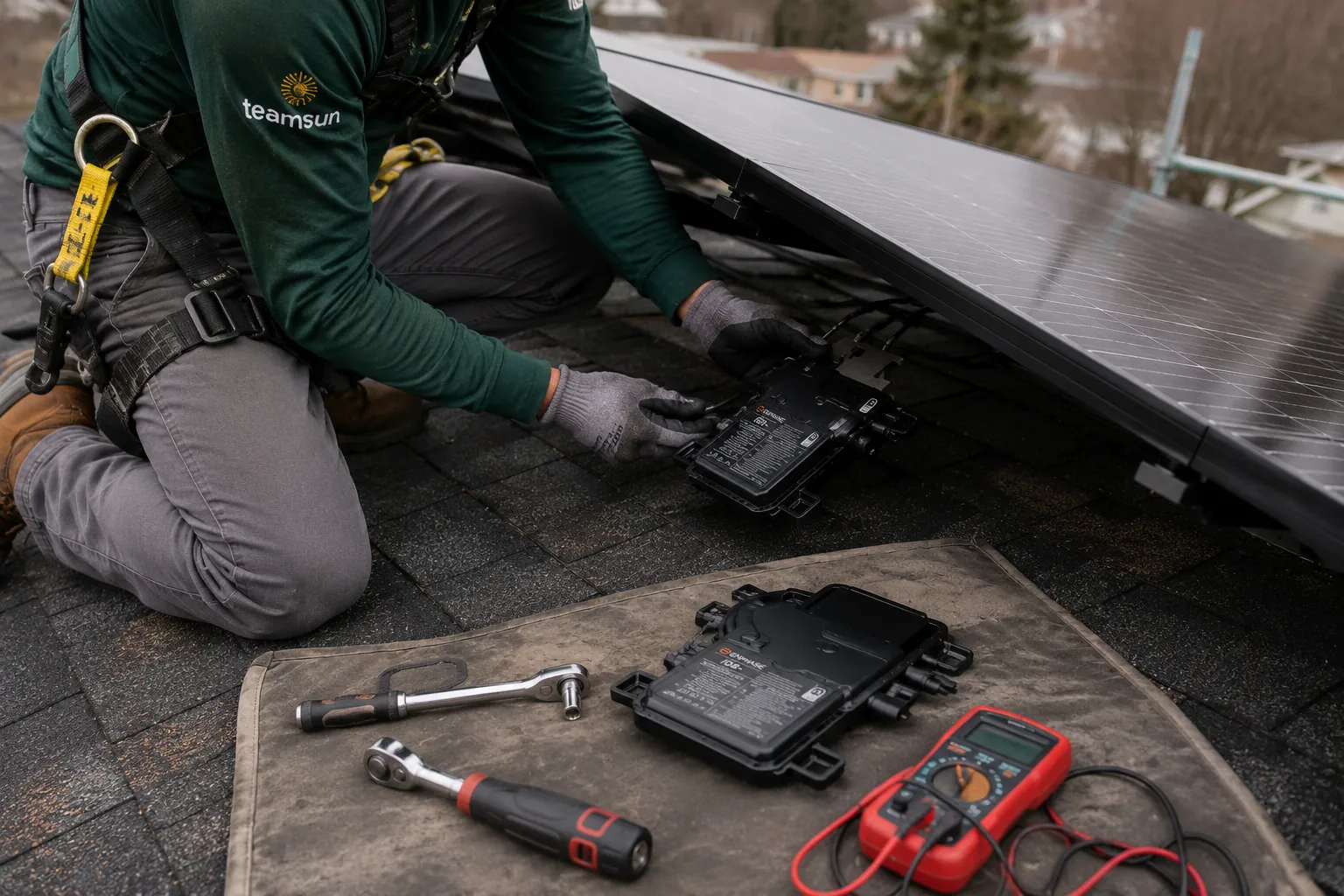
Replace a failing or end-of-life inverter with a modern Tier 1 unit. Most common upgrade — restores production and resets the warranty clock.
Add panels to an existing system if your roof and inverter capacity allow. Aurora model dictates exact placement.
Often the highest ROI upgrade — see our retrofit service. CT ESS rebate from $5,000 (up to 100% of battery cost by location). Commercial installs also eligible for up to 40% federal ITC.
Strip and replace an aging system with modern Tier 1 panels and inverter. Reset all warranties. Commercial repowers remain eligible for up to 40% federal ITC.
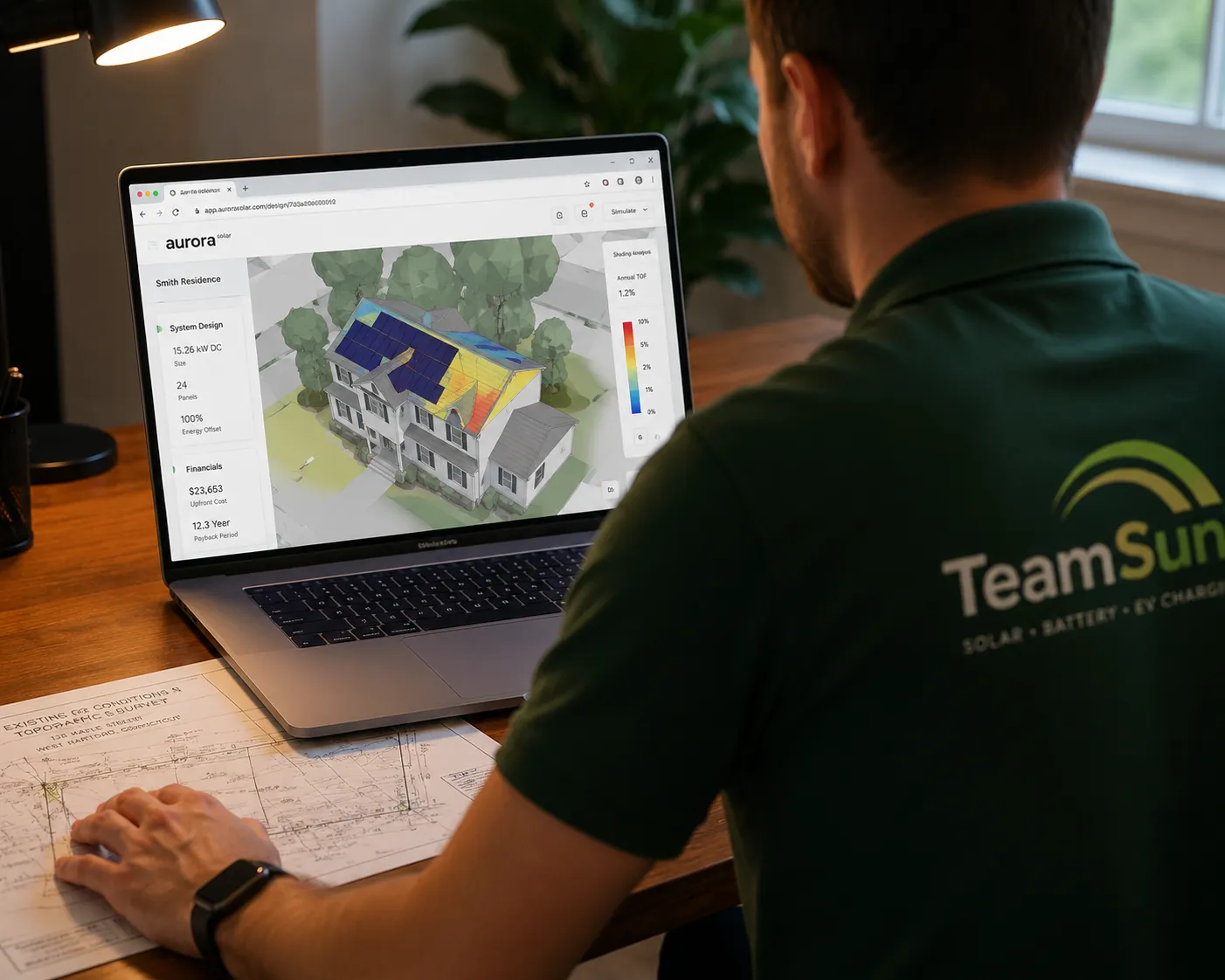
A 15-minute call, then a remote or on-site visit. Aurora-based design, panel and battery brand named on the proposal.
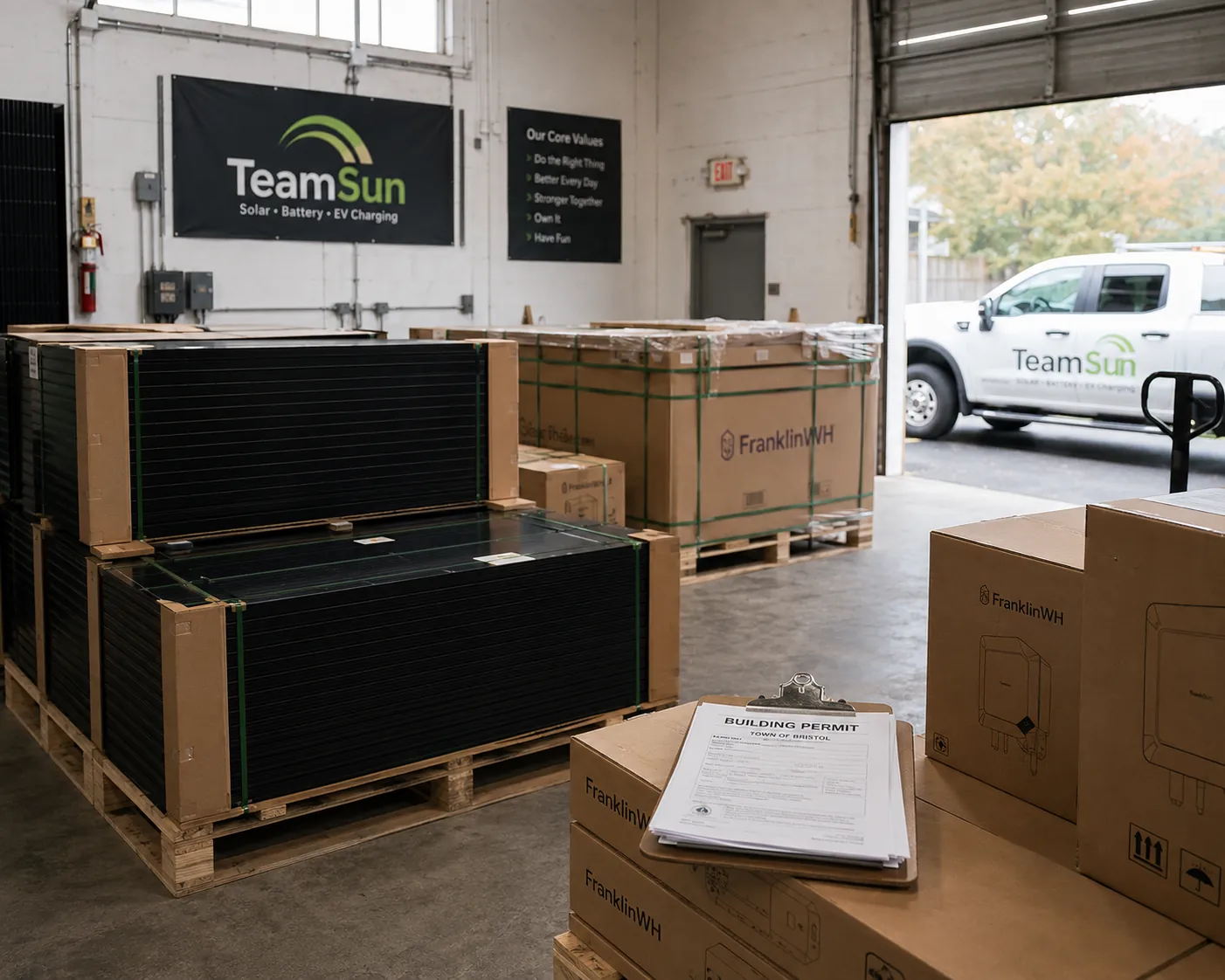
Permits filed, utility interconnection submitted, and equipment staged at our Bristol warehouse.
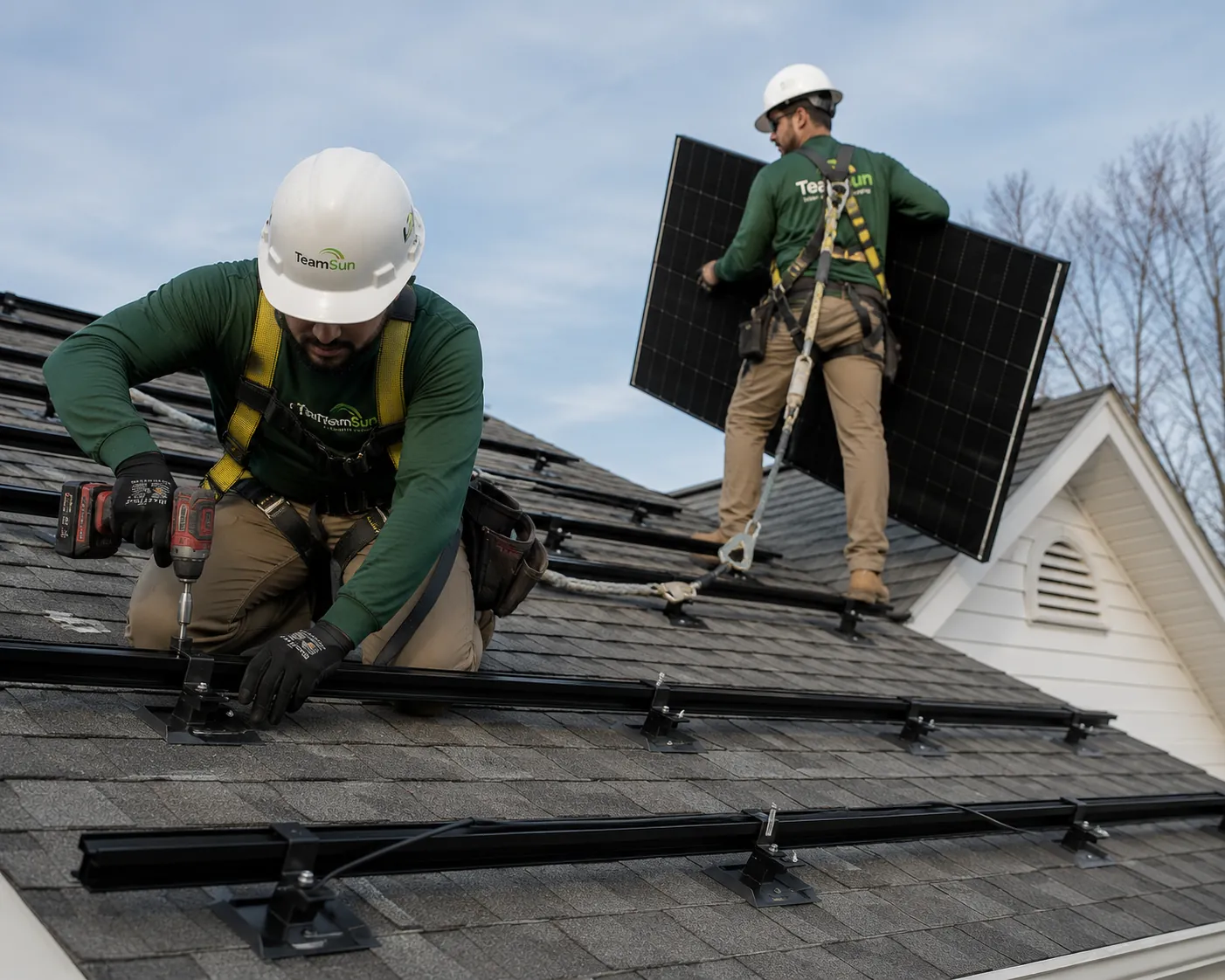
Local crew, local trucks. Most systems installed & completed in one day. Final inspection scheduled before we leave.
PTO from your utility, ITC and rebate paperwork filed, and 25 years of local service after the system goes live.
Residential ITC no longer applies in New England, but with high energy costs, state rebates, and CT ESS coverage from $5,000 up to 100% by location, our systems will always save you money. Commercial systems also stack up to 40% federal ITC. We file every form with you.
Federal ITC
Up to 40%
Still available for commercial systems. Residential ITC no longer applies in New England, but our systems still save homeowners money on high energy costs.
CT ESS battery rebate
From $5,000
Certified CT ESS Install Program Partner. Minimum $5,000 rebate — depending on location, up to 100% of the battery cost can be covered.
Net metering
Full retail
1:1 offset on what your panels send back to Eversource or UI.
CT property tax exemption
$300 – $700/yr
System value excluded from your assessment. Sales tax also exempt.
Connecticut, Massachusetts, and Rhode Island. Every pin is a Teamsun install. We're licensed in ME, NH, VT, and FL too.
“Teamsun was the only crew that walked the roof, named the panel brand, and answered every question without checking with someone. Same lead tech came back a year later when I added a battery.”

“Three of my neighbors had Teamsun, so I called them. The crew was on my street five days after I signed.”

“They knew the historic district secretary by first name. Saved us six weeks on permitting alone.”
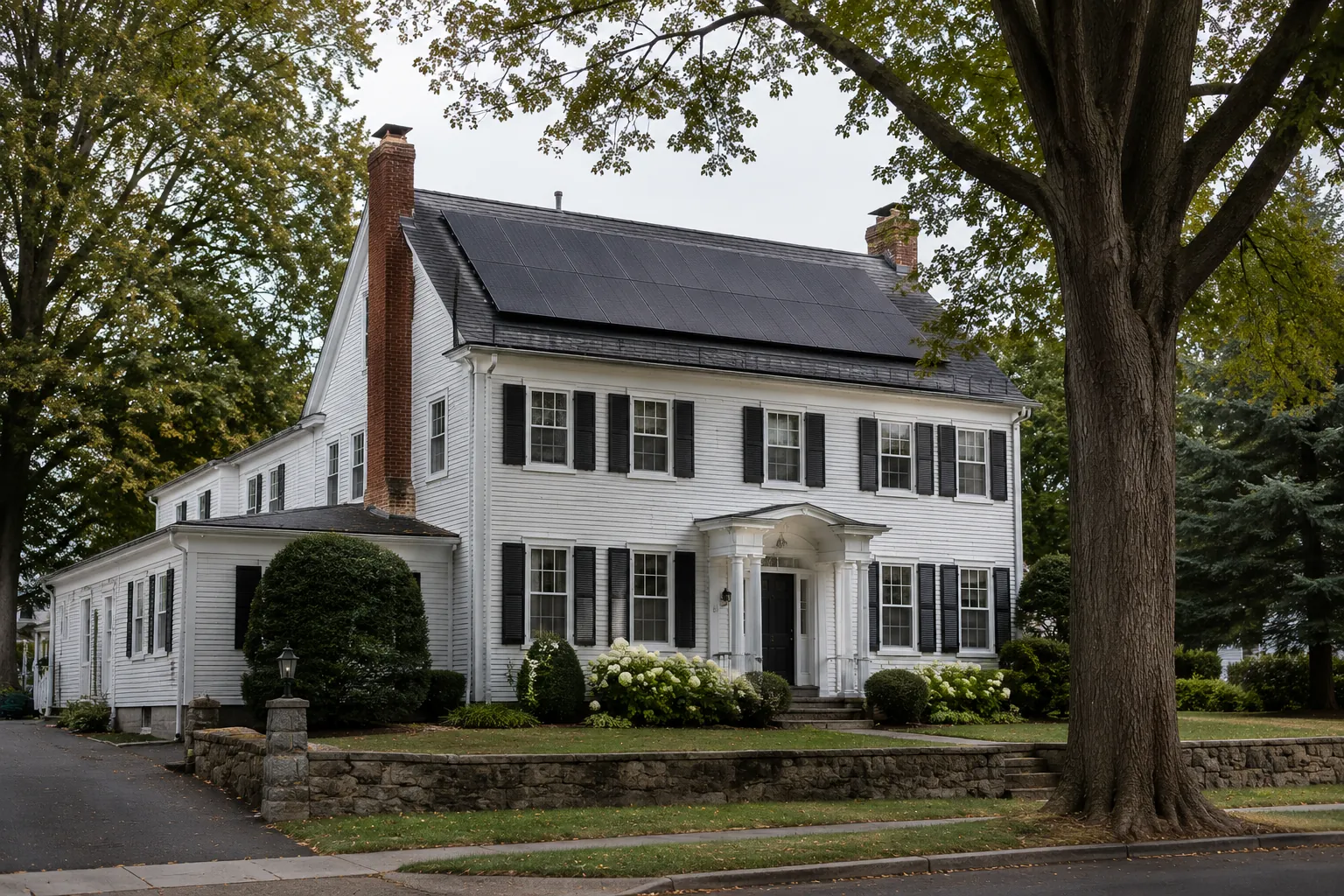
“Same lead tech who installed it came back four years later to swap an inverter under warranty. No charge, no excuses.”
Pull the last three Junes from your monitoring app and compare. If production is down 15% or more year-over-year, something is wrong. If you do not have monitoring, we install temporary metering during the diagnostic visit.
Residential ITC no longer applies in New England. Commercial upgrades remain eligible for up to 40% federal ITC on the new equipment (panels, inverter, battery) and labor to install it — not on the pre-existing system. Speak with your CPA; we file the paperwork to substantiate the new costs.
Inverter swaps run $3,000 – $7,000 depending on system size and brand. Panel additions run $1,200 – $1,800 per kW added. Full repowers run 80 – 90% of a fresh new install cost. Every quote is preceded by a diagnostic visit.
Sometimes. A failing inverter is silently de-rating your system; a healthy modern inverter will recover that loss. A modern inverter on an already-healthy system gives marginal production gains (1 – 3%) — we tell you which case yours is.
Yes. Vintage systems often need partial repowers because the original modules and inverters are no longer supported. We model the upgrade in Aurora using your actual roof and your real utility rate before quoting.
Not always. If production matches Aurora projections and your warranty is intact, leave it alone. We will not sell you an upgrade you do not need — see our maintenance and repair service for one-off fixes.
Inverter swaps and battery adds take 1 – 2 days on-site, 3 – 6 weeks total project time. Panel additions take 1 – 2 days on-site, 4 – 8 weeks total. Full repowers run 6 – 10 weeks total.
A like-for-like inverter swap usually does not. Adding panels or significantly increasing system size triggers a net metering re-enrollment with your utility. Teamsun files every form on your behalf.
New loads, older equipment, and expiring warranties all point at different upgrades. These guides cover each path.
Adding capacity
Older systems
Tell Teamsun about your property, energy goals, and questions. We will help you identify the right next step for the project.
Start with the property
Share the address,
utility, and project goal.
Confirm availability
Teamsun will confirm
coverage for your address.
Match the next step
Solar, storage, roofing,
EV charging, or service.